
Water heaters should always be repaired by professionals—but when it comes to maintenance, there are a few steps you can take yourself.
This article will explore how often you should maintain your water heater, the difference between gas and electric heaters, and more. From there, we’ll give you three easy ways to maintain your water heater yourself to lower your utility bills and improve the lifespan of your water heater.
How Often Should You Maintain Your Water Heater?
Hot Water Tanks
Ideally, you should be inspecting your water heater once a month. This gives you the chance to check for any leaks, corrosion, and other problems; spotting these problems early can save you a lot of money and cleanup. Dealing with water damage from leaky water heaters is not a pleasant experience.
You should also flush your water heater once every 6 months to once a year—generally, you’ll want to flush it more often as your water heater gets older. Flushing your water heater gives you the opportunity to clean out buildup; this reduces wear and tear and helps your water heater heat water more efficiently.
Tankless Water Heaters
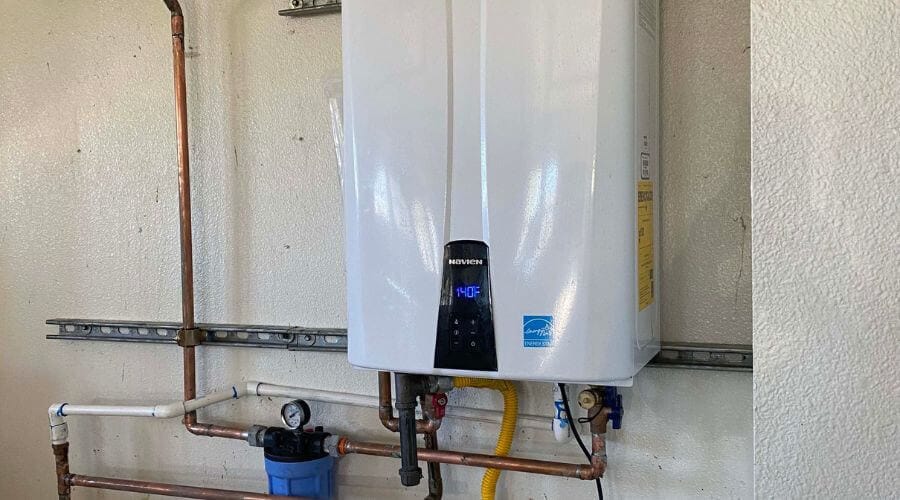
Tankless water heaters are far less prone to leaks than hot water tanks, as the water doesn’t sit in the heater—it just passes through it. Nonetheless, you should inspect your tankless water heater twice a year for any signs of corrosion, leaking pipes, or damage.
Does Maintenance Differ Between Types of Water Heaters?
The age, make, model, and type of water heater you have can all affect maintenance frequency. Tankless water heaters tend to need less maintenance appointments than tank water heaters. There are also important differences in maintaining electric and gas water heaters.
Always have a Licensed Professional service and maintain your Water Heater to avoid any issues with the tank.
Simple Steps You Can Take Yourself
Most water heater maintenance should be left to the professionals. When you see a leaky pipe, corrosion, or other problems during your inspection, you should call for repairs; never attempt those repairs yourself.
There are, however, a few simple water heater maintenance tasks you can take on yourself. Performing these maintenance tasks can increase the lifespan of your heater, improve heating, and lower your energy bills. That’s a lot of benefits for about an hour’s worth of work twice a year! We’ll start you off with two:
Drain the Water Heater Tank and Wash Out Any Buildup
Flushing your water heater helps prevent the buildup of sediment. You should flush your heater once every 6 months to once a year, though if you have fairly hard water, you may want to flush your water heater more often.
- Turn off the cold water valve—the water supply. It’s near the top of your hot water tank.
- Turn off the water heater, flipping the circuit breaker on an electric heater and turning the gas valve off on gas heaters.
- Attach a garden hose to the drain valve of your water heater—the drain valve is found near the bottom of the heater. Ideally, you’ll point this hose toward your basement floor drain; if you need to point the hose out of your basement window, you may need a pump, and that makes things a bit more complicated.
- Go upstairs and turn on the hot water at a sink. The water won’t be hot for long (you’ve turned off your water heater), but it will create pressure to help your water tank drain.
- Open the water heater tank valve. Draining water generally takes anywhere from 20 minutes to an hour. Never force the valve to open or close; call a professional if the valve won’t open or close relatively easily.
- Once the water has drained from the tank, open the cold water valve to allow the cold water to pour into the tank, and let it continue to drain. It can be helpful to turn the cold water on and off two or three times and then open and close the drain valve two or three times.
- Continue to flush the tank with cold water, repeating step 6 until the water from your hot water tank runs completely clear.
- Close the drain valve.
- Turn on the cold water valve (or keep it on if it’s already on) to refill the tank. Once the tank is full, the hot water tap you turned on upstairs earlier should be flowing consistently (though the water heater is off, so the water will be cold).
- Once the tank is full, turn off the hot water tap, then turn your heater back on, restoring gas flow to gas heaters and turning the circuit breaker on for electric heaters, then turning on the heater.
Insulate the Pipes and Water Tank
Want to reduce your energy costs? Insulating your hot water tank and its pipes can help. When they’re insulated, less heat leaks out—that may even mean you can turn down the heat on your water heater.
To insulate your water heater, be sure to turn it off first, then purchase a water heater blanket. From there, we recommend following this do-it-yourself water heater tank insulation guide. To insulate your pipes, we recommend this hot water pipe insulation video.
When To Call the Professionals
When a valve isn’t opening or closing properly, you notice leaks, you see corrosion, or there are any repair or maintenance tasks that you don’t know how to handle, you should call the professionals immediately. Repairing a water heater is dangerous; while the maintenance tasks we listed above are manageable for most, you should never hesitate to call the pros if you’re ever uncertain.