
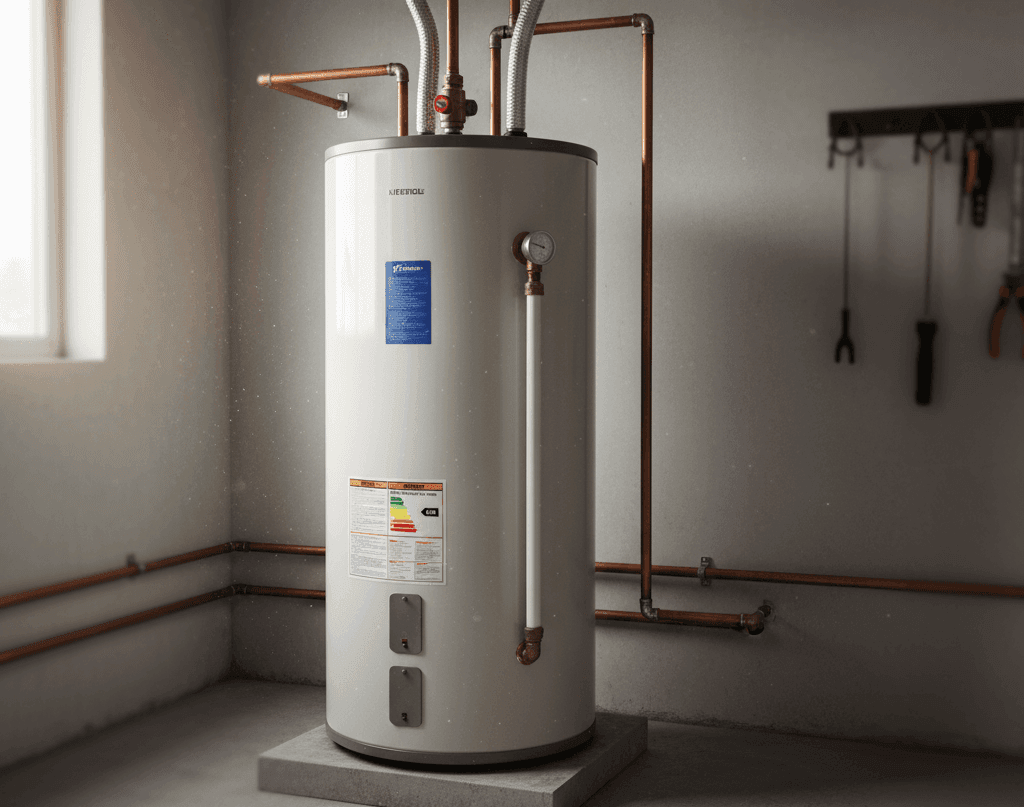
The lifespan of a hot water tank typically ranges between 8 and 12 years, depending on factors like model, fuel type, installation quality, and maintenance. While some systems can last longer with regular upkeep, most water heaters eventually show signs of wear that affect performance and safety. Understanding what influences their longevity can help you plan for replacements before an unexpected breakdown leaves you without hot water on a cold morning.
What Determines The Lifespan Of A Hot Water Tank?
Several elements work together to determine how long your water heater will last. These include:
- The type of water heater you have
- The fuel source it uses
- The quality of your water
- How often the tank is maintained
- The installation quality and the environment in which it operates
Each plays a part in your unit’s overall life expectancy and performance.
Type Of Water Heater (Tank Vs. Tankless)
Traditional hot water tanks store and continuously heat water in a large metal tank, making them the most common type found in Canadian homes. Because these tanks operate under pressure and high temperature, their internal parts gradually deteriorate from corrosion and sediment buildup.
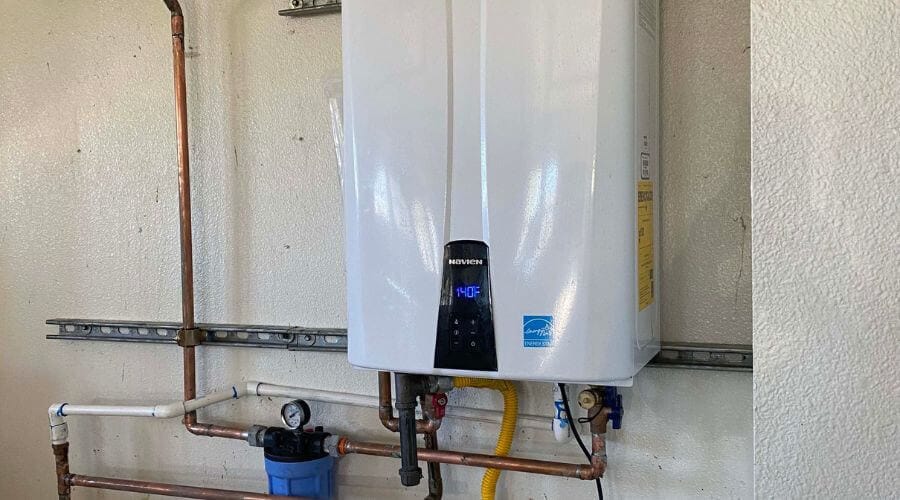
In contrast, tankless water heaters (also called on-demand water heaters) heat water only when needed, eliminating the constant stress of keeping water hot inside the tank. This design gives tankless water systems a much longer average lifespan, often 20 years or more with proper care. However, their efficiency depends on water quality and regular maintenance, including flushing to remove minerals and scale.
Fuel Source: Gas Vs. Electric
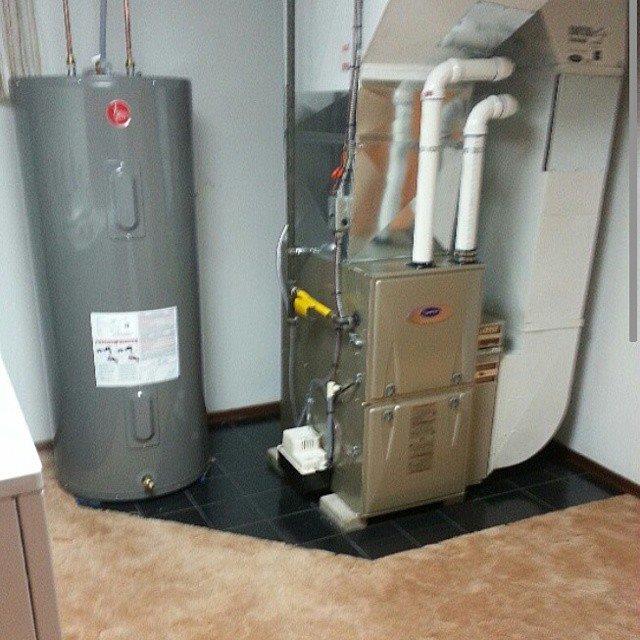
A gas water heater generally has a lifespan of about 8 to 12 years, whereas electric models often run closer to 15 years with proper care. The difference comes down to heat generation and component wear.
- Gas units use a pilot light and burner system that runs hotter and faster, which can shorten component life.
- Electric models rely on heating elements that work more gradually, resulting in less stress on internal parts.
However, gas systems recover faster, meaning they reheat cold water more quickly. This is a core reason why many homeowners still prefer them despite their slightly shorter lifespan.
Why Hot Water Tanks Fail Over Time
Even the best water heaters can’t last forever. Over time, corrosion, sediment, and faulty valves contribute to declining efficiency and eventual failure.
Common Causes Of Failure (All Heater Types)
- Sediment buildup: Minerals settle at the bottom of the tank, forming a layer that reduces heating efficiency and accelerates corrosion.
- Water quality: Hard water shortens water heater lifespan, while a water softener can help extend it.
- Anode rod wear: This critical part protects the metal tank from rust. Once it’s corroded through, the tank becomes vulnerable.
- Pressure issues: Excessive water pressure or a faulty thermostat can cause leaks or even a safety hazard.
Old age: Even with regular maintenance, every unit eventually reaches the end of its life cycle.
Failure Points In Traditional Hot Water Tanks
A storage tank is the most common failure point. Once corrosion compromises the tank walls, water leaks begin inside the tank, spreading to the surrounding floor area. In some cases, faulty valves or temperature controls worsen the issue.
When the tank’s anode rod or lining fails, rust starts to eat away at the interior, causing structural weakness and eventual rupture. Because these problems are internal, they often go unnoticed until visible leaks or temperature inconsistencies appear.
Tankless Water Heater Lifespan Issues
While tankless water heaters generally outlast traditional tanks, they’re not immune to issues. Scale accumulation from hard water can block heating components, reducing flow and triggering repairs.
Neglecting flushing can also shorten lifespan. The heat exchangers in these systems are sensitive; when sediment forms, efficiency drops, and the unit may overheat or shut down prematurely. Regular descaling and annual servicing help prevent these problems.
Electric Vs. Gas Hot Water Tank Failures
Gas water heaters: The pilot light, burner assembly, and venting system are the most common trouble spots. Poor combustion or a faulty thermostat can lead to poor heating or early failure.
Electric water heaters: Heating elements can burn out or become coated in sediment, making the electric water heater work harder to heat water. Replacing elements is possible, but if corrosion spreads throughout the tank, full replacement may be needed.
Signs Your Hot Water Tank Is Reaching The End Of Its Lifespan
Knowing when your hot water heater is failing can help you act before it bursts or stops working completely. Warning signs include:
- Fluctuating or insufficient hot water temperature
- Strange noises, such as rumbling or popping, from sediment buildup
- Discoloured or rusty water coming from taps
- Visible leaks around the tank or plumbing connections
- Higher-than-normal energy bills due to inefficient heating
- A serial number that indicates the tank is over 10 years old
If you notice these issues, it’s likely time to replace your water heater or at least schedule an inspection.
Why You Should Replace A Hot Water Tank Before It Fails
Waiting for your water heater to fail completely can cause far more trouble than necessary. A ruptured tank can release hundreds of litres of hot water, damaging floors, drywall, and belongings.
Replacing early has advantages:
- Prevents flooding and water damage
- Reduces energy waste from an inefficient unit
- Ensures a consistent hot water supply
- Allows time to choose the right water heater for your needs
An older, rusting tank is an inconvenience. But more importantly, it’s a red flag as it can be a potential safety hazard. Proactive replacement is always the smarter option.
Maintenance Tips To Prevent Early Failure
1. Flush The Tank Yearly
Over time, minerals and sediment settle at the bottom of the tank, reducing your system’s ability to heat water efficiently. This buildup can also cause rumbling noises, overheating, and early corrosion. Flushing the tank once a year helps clear out debris, improve heating performance, and lower your energy bills. In areas with hard water, flushing every six months is even better.
2. Inspect The Anode Rod
The anode rod sits inside your hot water tank and serves as a protective barrier, drawing corrosive minerals away from the tank walls to slow rusting. Once the rod is fully corroded, the metal tank itself starts to rust. Inspect it every 3-5 years, or sooner if you notice rusty water or flakes. Replacing a worn anode rod is inexpensive compared to the cost of a new water heater.
3. Set The Right Temperature
Many homeowners set their water heater thermostat too high without realizing it. Keeping it around 49°C (120°F) strikes a balance between comfort, energy savings, and safety. Higher settings not only increase energy use but also accelerate wear on heating elements and risk scalding. Consistent, moderate temperatures help maintain your heater’s life expectancy.
4. Watch For Leaks
Even a small puddle near the tank can be an early sign of a serious issue. Inspect the fittings, valves, and connections around your water heater for moisture or rust. Water leaks often start small but can lead to structural damage or total tank failure if ignored. Catching them early can save you thousands in repairs.
5. Schedule Annual Inspections
Even with good habits, it’s smart to have a licensed technician inspect your hot water heater annually. They can check for faulty thermostats, loose electrical connections, pilot light issues, or hidden corrosion that isn’t visible from the outside. Professional servicing also ensures that gas and electric water heaters are venting properly and operating safely.
With a little regular maintenance, you can avoid breakdowns, save energy, and keep your hot water heater running reliably for years.
How Water Quality Affects Lifespan
Water quality plays a significant role in determining how long a tank lasts. Hard water, which is rich in minerals like calcium and magnesium, can cause sediment buildup and scale, reducing efficiency and increasing wear.
If you live in an area with hard water, installing a water softener or filtration system can significantly extend your tank’s life expectancy. It also helps prevent corrosion and maintains consistent water temperature.
In regions like Manitoba, where cold water can vary seasonally, fluctuations in heating water temperature may add stress to your tank, making regular servicing even more important.
Final Thoughts On The Lifespan Of A Hot Water Tank
A hot water tank isn’t meant to last forever, but its lifespan can be maximized with care and maintenance. Tankless water heaters may last twice as long as traditional models, yet even they need attention to remain efficient.
When your system shows its age (through leaks, inconsistent hot water, or rising energy bills), it’s time to start planning for a new water heater. Replacing your system before it fails ensures comfort, safety, and energy efficiency for years to come.
If you’re uncertain about your current water heater lifespan or need expert advice, contact Provincial Heating & Cooling. Our experienced technicians can help you choose, install, and maintain the ideal system for your home.
For expert heating in Winnipeg, trust the professionals at Provincial Heating & Cooling to keep your water and your comfort perfectly warm year-round.
Don’t get stuck without hot water